Stonehenge
Europe (Wiltshire, England), United Kingdom · Cultural site · UNESCO World Heritage property #373


Significance
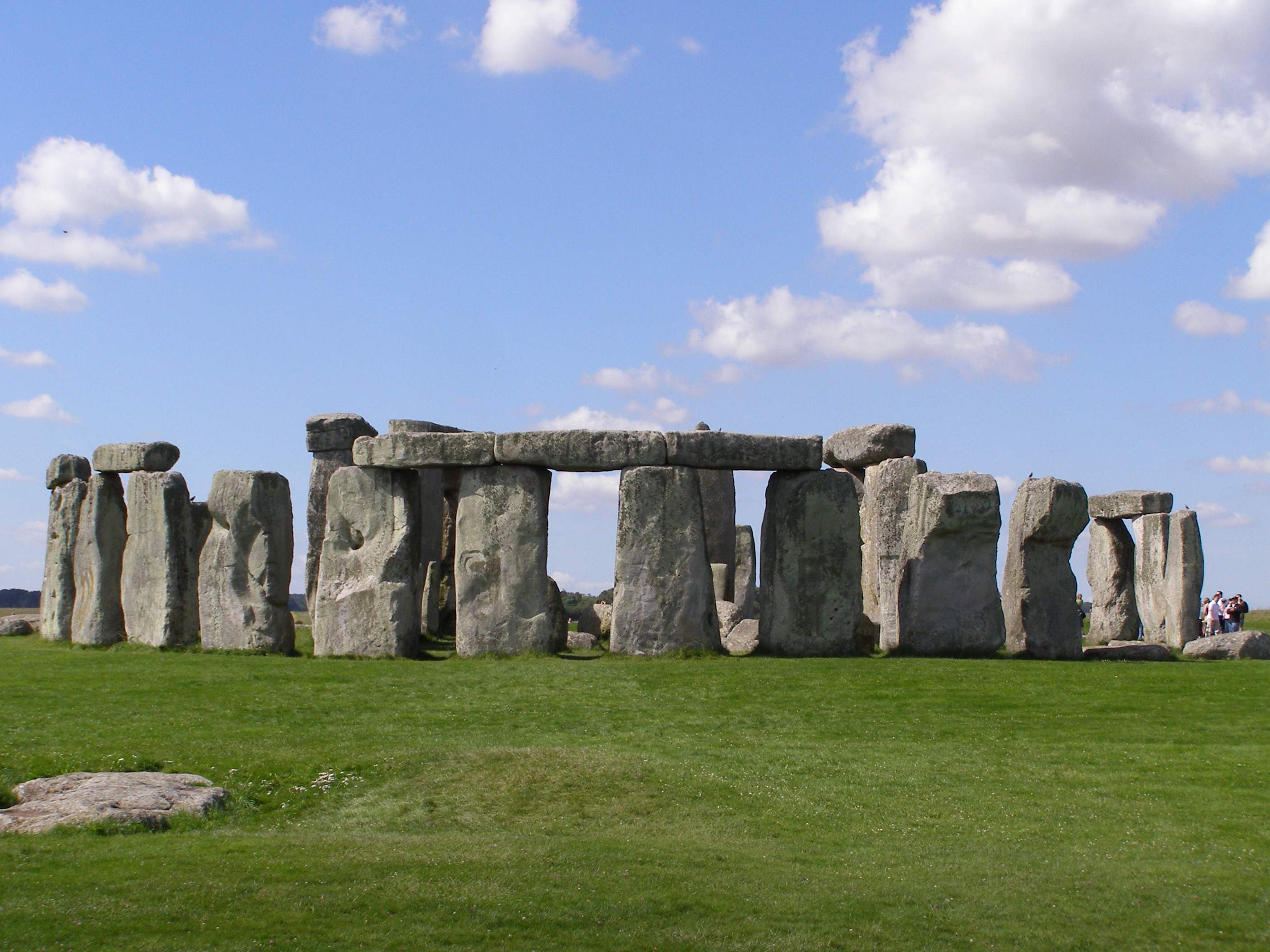
Stonehenge is a Neolithic and Bronze Age stone circle monument built in phases between approximately 3700 and 1600 BCE. It forms the principal element of the UNESCO World Heritage property 'Stonehenge, Avebury and Associated Sites' (a serial listing that also includes Avebury and surrounding monuments). UNESCO describes it as the world's most architecturally sophisticated prehistoric stone circle, offering exceptional insight into the funerary and ceremonial practices of Neolithic and Bronze Age Britain.
Current Status Rationale
The property currently faces chronic, managed conservation pressures (traffic/setting impact, visitor and animal erosion of earthworks, buried-archaeology risk from agriculture/development) that are well documented in UNESCO's own site materials but are not described by UNESCO or any source reviewed as acute or unresolved-severe. Historical damage/threat episodes are documented in the site's record (the 2020-2024 tunnel threat, recorded in events[]), but the current classification is based on present conditions and the most recent credible evidence: the tunnel threat is resolved, not just quiet, per UNESCO's own committee decision plus independent UK government/trade-press reporting of cancellation and formal consent revocation. This is treated as a genuine improvement over the 2021-2024 period.
Conservation or other pressures are documented, but without imminent risk to the site. Multiple corroborating high-tier sources support this status.
Threat Categories
UNESCO's own site documentation and the property's management bodies identify chronic, long-standing pressures on the monument's setting: nearby roads (historically the A303, A344, and A4) cutting through the property and affecting its visual/acoustic setting; visitor foot-traffic and animal burrowing eroding earthwork monuments; and risk to buried archaeology from ploughing and development. Between 2020 and 2024 this was sharply elevated by a UK government plan to build a road tunnel for the A303 beneath part of the World Heritage property; UNESCO's World Heritage Committee warned in 2021 and again in June 2024 that the scheme risked 'highly adverse and irreversible' damage to buried archaeology and came close to recommending a 'World Heritage in Danger' listing. That specific acute threat has since been fully resolved. Historical damage/threat episodes are documented in the site's record (events[] below), but the current classification is based on present conditions and the most recent credible evidence, leaving the more chronic, lower-intensity setting/erosion pressures as the current state of this threat category.
First identified: Not established — No single 'first identified' date could be established from the sources reviewed for the chronic setting/erosion pressures — UNESCO documentation treats these as long-standing management concerns rather than dated incidents. The acute tunnel-specific threat is separately dated in the events log below (2020-2026) and is treated as historical (resolved), per methodology §1a.
Sources: UNESCO World Heritage Centre, New Civil Engineer, The Art Newspaper
Historical Timeline
- 2024-06-21UNESCO recommends considering 'in danger' listing over tunnel plan
UNESCO's World Heritage Committee recommended that Stonehenge be added to the List of World Heritage in Danger unless the A303 tunnel scheme was substantially modified, stating the proposed tunnel was inadequate to protect the site's outstanding universal value.
Sources: New Civil Engineer
- 2024-07-24UNESCO Committee votes not to list Stonehenge as in danger
At its New Delhi session, UNESCO's World Heritage Committee rejected the proposal to place Stonehenge on the World Heritage in Danger list, concluding the UK's proposed approach did not constitute sufficient actual or potential danger to warrant it at that stage.
Sources: The Art Newspaper
- 2024-07-29UK Government cancels the A303 tunnel scheme
The Chancellor announced cancellation of the A303 Stonehenge tunnel project as part of a wider public spending review, after roughly £160-179 million had already been spent.
Sources: Wiltshire Council
- 2026-03-18Tunnel's Development Consent Order formally revoked
The UK Department for Transport formally revoked the planning consent (Development Consent Order) previously granted for the A303 tunnel, citing that it no longer aligned with strategic policy objectives.
Sources: New Civil Engineer, Ground Engineering
Digital Preservation Index
Overall coverage: Extensive — Well documented across most or all digital preservation categories.
- Photographic
Extensive professional/archival photography held by English Heritage (the site's managing body) and featured in a dedicated Google Arts & Culture partner exhibit.
View source - Archival Records
UNESCO nomination/listing documentation and English Heritage's own historical and management archives.
View source - Three D Documentation
A detailed laser-scanning and photogrammetry survey of the stones was carried out and published as an archaeological analysis report.
View source - Virtual Tour
English Heritage publishes an official 360-degree 'Stonehenge360' virtual tour of the monument.
View source - Academic Scholarly
Peer-reviewed/academic publication on the laser-scanning survey and its archaeological interpretation.
View source
Law and commitments
- Treaty record for United Kingdom
Sources
- Stonehenge, Avebury and Associated Sites — UNESCO World Heritage Centre
- UNESCO to put Stonehenge on 'World Heritage in Danger' list due to A303 tunnel scheme — New Civil Engineer
- UNESCO rejects proposal to place Stonehenge on 'in danger' list — The Art Newspaper
- Wiltshire Council expresses disappointment at A303 Stonehenge decision — Wiltshire Council
- Stonehenge Tunnel DCO officially revoked as it 'no longer aligns with strategic policy objectives' — New Civil Engineer
- Minister reverses consent for controversial tunnel under Stonehenge — Ground Engineering
- Stonehenge Virtual Tour - Inside The Stones (Stonehenge360) — English Heritage
- Stonehenge and Avebury World Heritage Site partner page — Google Arts & Culture
- Revealing the Secrets of Stonehenge Through the Application of Laser Scanning, Photogrammetry and Visualisation Techniques — ResearchGate (academic publication)
- Stonehenge, Avebury and Associated Sites (Wikipedia infobox coordinates) — Wikipedia